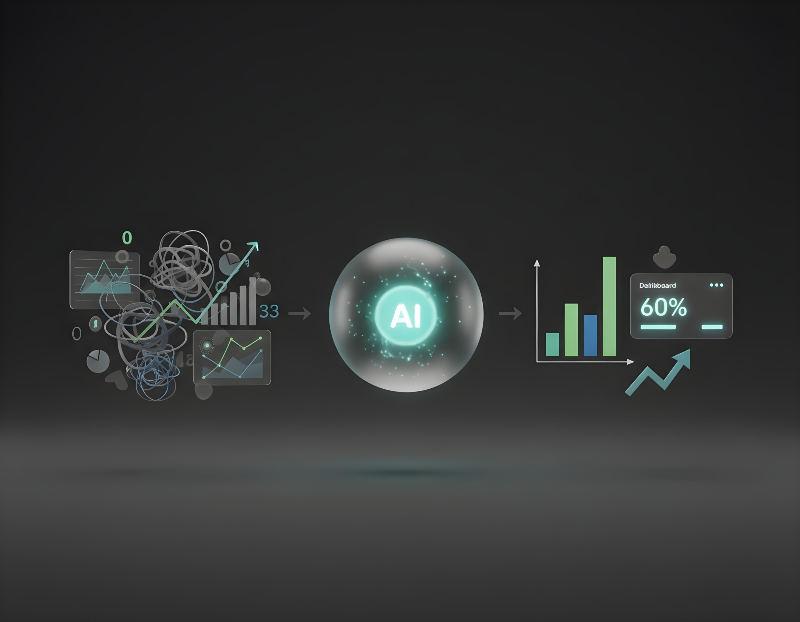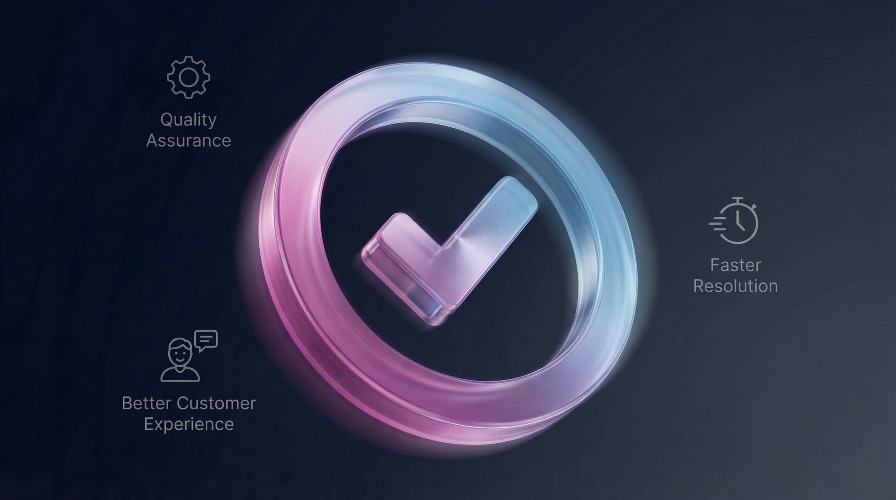
Developer productivity today is measured less by hours worked and more by outcomes delivered. Shorter development cycles, stable releases, and fewer post-release defects have become the real benchmarks. AI-first development workflows are reshaping how teams achieve these results by reducing friction across the entire software lifecycle.
Modern development environments now include AI assistants that support coding, testing, and debugging in real time. These tools do not replace developers. Instead, they remove repetitive effort, reduce context switching, and help teams move from idea to release with greater consistency and speed.
Shorter Development and Release Cycles
AI-assisted workflows significantly reduce cycle times. Tasks that once slowed teams down, such as writing boilerplate code, fixing predictable errors, or searching through documentation, are handled instantly through contextual suggestions.
This allows developers to move faster through build and test phases. Features progress from development to deployment with fewer delays, enabling more frequent and reliable releases. Shorter cycles also make planning easier, since teams spend less time waiting on fixes and rework.
Fewer Defects After Release
One of the strongest productivity gains comes from preventing defects before code reaches production. AI tools review code as it is written, highlighting logic issues, performance concerns, and unsafe patterns early in the process.
By addressing problems during development instead of after release, teams reduce the volume of hotfixes and emergency patches. Fewer post-release defects mean less disruption, lower maintenance effort, and more time spent on planned work rather than reactive fixes.
Improved Focus on High-Value Work
When routine tasks are automated, developers can focus on architecture, optimization, and problem solving. This shift improves both speed and quality. Engineers spend less time correcting avoidable mistakes and more time building durable solutions.
Over time, this leads to cleaner codebases, better system design, and smoother collaboration across teams.
Stronger Quality and Stability Across Releases
AI-driven testing tools further strengthen productivity by keeping test suites aligned with frequent changes. Automated test generation and self-healing scripts reduce test failures caused by minor updates.
As a result, teams maintain confidence in rapid releases without sacrificing stability. Quality assurance becomes a continuous process rather than a bottleneck at the end of development.
Faster Team Ramp-Up Without Slowing Delivery
AI assistance also shortens onboarding time for new developers. By explaining code context, suggesting best practices, and answering common questions, these tools help new team members contribute earlier without increasing the review burden on senior engineers.
This keeps delivery timelines intact even as teams scale.
Sustained Productivity Through the Full Lifecycle
AI-first development workflows improve productivity not by pushing developers to work faster, but by removing the friction that slows them down. Shorter cycle times and fewer post-release defects create a steadier pace of delivery and a healthier engineering environment.
For development teams, this translates into predictable releases, higher confidence in production, and more time spent building forward rather than fixing backward.